Why Do Modern Teams Need AI-Powered Teamwork
Work today looks very different from even a few years ago. Technology has changed how people connect, learn, and grow in their careers. AI now sits at the center of that change.
But the real question isn’t how powerful AI is. It’s how people can use it to make work more meaningful and personal.
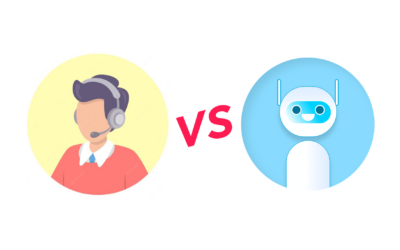
That’s where the idea of AI-Powered Teamwork comes in. It’s about humans and AI working together, each doing what they do best: people bringing empathy and creativity, and AI handling speed and structure.
One leader shaping this approach is Dany DeGrave, founder of InPerson+. After more than two decades in large corporations, he decided to build something different, a system that helps people find the right opportunities, not just another job.
His platform connects users with a real human concierge who listens, guides, and matches them with internships, scholarships, or growth paths that fit their goals.
Dany’s mission centers on first-generation students and professionals, people with talent but limited access to networks or mentors. His work blends technology and humanity to bridge that gap and open real doors for those often overlooked.
In this article, we’ll explore how Dany and InPerson Plus use AI to simplify teamwork, speed up creative work, and make every process more human. We’ll also look at how simple, thoughtful AI use can make work faster, fairer, and more connected.
How InPerson Plus Builds Human Connection Through AI-Powered Teamwork
InPerson Plus, founded by Dany DeGrave, is built on a simple belief. Soon, everyone will use AI, so a real advantage will come from having the right connections.
The platform provides individuals with a human concierge who guides them through the next useful step in their career, education, or personal growth. It doesn’t push people toward random jobs. It focuses on matching them with the right chances at the right time.

Image Credits: Photo by Jopwell on Pexels
How the concierge model works
Each person gets a real human concierge, not a bot. The concierge listens, asks questions, and helps sort out what’s actually needed. A student may need help finding a local internship or a scholarship.
Someone in a job may want support with confidence, leadership skills, or a future promotion. A company may want to attract early-career talent who can make a strong start from day one. The concierge guides each person in a direct and personal manner, ensuring that no one feels lost or stuck.
InPerson Plus cares more about people than resumes. It wants to know who you are, not just what you list on a page. That’s why the platform fosters long-term support rather than quick job matches.
Why Dany DeGrave focuses on first-generation talent
Dany built InPerson Plus for what he calls “under-networked high-potential talent,” especially first-generation students and workers. He focuses on them for two clear reasons.
- Personal need: First-gen individuals don’t have someone at home who can explain college or corporate life. They often face hidden rules alone. The concierge helps them find answers, funding, training, and confidence without feeling embarrassed or behind.
- Business need: Over half of today’s college entrants in the United States are first-gen. Many companies don’t realize this and rely on resumes that conceal genuine strengths, such as drive, problem-solving, and adaptability. InPerson Plus helps employers see that talent clearly and hire with better insight.
Dany’s goal is simple. Don’t just match resumes to jobs. Match people with real opportunities that align with who they are and who they aspire to be.
How AI Reduces Production Time and Strengthens AI-Powered Teamwork
AI is transforming the speed and ease with which teams can produce content. Tasks that once took five hours now take about an hour to complete.
Soon, the same work could be done in fifteen minutes. That’s not about replacing people. It’s about giving more people the chance to create and publish without needing a huge team or budget.

Image Credits: Photo by Olia Danilevich on Pexels
How AI Speeds Things Up
AI takes over the repetitive parts of the process, allowing humans to focus on ideas. It listens, writes, sorts, and edits in seconds. Here’s what it does:
- Transcribes recordings automatically.
- Writes summaries in a set tone and structure.
- Creates shorter versions for each social platform.
- Find recurring themes or emotional moments.
- Suggests quotes for visuals and captions.
The final touch always stays human. Someone still checks tone, quality, and accuracy before publishing.
Why It’s More Than Just Automation
This isn’t simple automation. AI follows clear rules about tone, structure, and message. It doesn’t just copy words; it understands patterns.
For example, if content often includes “I had to figure it out myself,” AI recognizes that as a “first-gen” theme. It then pulls similar quotes that fit that voice. Doing this manually would take hours.
What Still Needs a Human Touch
Humans still do what AI can’t: talk, record, and review. These steps need real attention and judgment. Everything else around them continues to get faster and smoother.
The team could automate everything today using extra tools, but they’re waiting. AI tech is moving fast, and soon these missing steps will connect naturally. The smart move is using AI where it truly helps right now and letting it grow into the rest over time.
When Simple Solutions Work Better Than Complex AI-Powered Teamwork
AI isn’t the answer to every problem. Sometimes, a simple fix that improves most of the process is faster, cheaper, and far less stressful than forcing a full AI solution. If you can clean up 80 percent of the work with basic automation, you already save time and reduce effort.
Trying to perfect the last 20 percent with advanced AI often adds cost, delays, and more meetings than it yields in progress.

Image Credits: Photo by RDNE Stock project on Pexels
Fix the process before adding AI
AI only works well when the process itself makes sense. If the workflow is slow or outdated, AI won’t magically fix it. It will only speed up the same messy system. That’s why the first step is to question the work, not the tool.
Think about:
- Which steps still matter today?
- What can we remove instead of automating?
- Where does human judgment actually matter?
If those answers aren’t clear, the issue isn’t a lack of AI. It’s a lack of clarity.
Why so many AI projects fail
Most failed AI projects don’t fail because the tech is bad. They failed because the goal was vague, the process remained unchanged, or leaders only sought a huge return immediately.
Many teams rush to “add AI” without asking what problem they’re actually trying to solve. As a result, they just automate the old way of working and call it innovation.
The real barrier is people, not machines
The hardest part isn’t coding. It’s habits, comfort, and fear of change. Some teams don’t want to adjust the way they work. Some managers only approve projects if the numbers look huge instantly. Both slow down useful progress.
The smarter path
- Fix the process first.
- Use AI only where it clearly helps.
- Stop chasing perfection when “good enough” already saves hours and budget.
AI isn’t the goal. Better work is.
How AI Replaces Slow Reviews with Real-Time AI-Powered Teamwork
AI can automate a significant amount of the tedious, repetitive work that often follows team meetings. Instead of rewriting drafts, comparing notes, and waiting for additional feedback, AI can take the first draft, match it with the full meeting transcript, and produce an updated version in a single step.
The ideas stay human, but the typing and retyping don’t eat days.

Image Credits: Photo by Kampus Production on Pexels
How does this change the workflow
A meeting no longer has to end with “someone will fix this later.” Once the discussion is recorded and transcribed, AI can apply all agreed-upon changes at once.
The updated draft already reflects the tone, structure, and decisions the team made. The next step is to review, not rebuild. This shifts the meeting from “planning mode” to “progress mode.”
A look at what actually improves
- Fewer review loops and follow-up meetings
- Faster delivery of posts, documents, and campaigns
- Less time wasted on editing the same text
- More time spent on thinking, not formatting
Moving toward real-time creation
The next stage is even smoother. AI can act like a live assistant during the meeting, updating the draft while people speak. That means one meeting can produce one almost-final output. No extra rewrites, no long gaps between steps.
What needs to shift for this to work
Teams need to treat meetings as working sessions, not just talking sessions. That means clearer decisions in the room and trust that AI can handle the follow-through.
It’s not about giving control to a tool. It’s about skipping the boring steps everyone already agrees on.
AI doesn’t just “make writing faster.” It removes the extra layers that slow teams down. The real gain is time, energy, and focus saved for the parts of the work that still require careful thought.
Conclusion
Ultimately, the lesson is clear. AI only creates real value when it works with people, not against them. The goal isn’t to replace human effort. The goal is to remove the parts of work that waste time and block progress.
We saw how smarter tools can cut hours of editing, summarizing, and formatting. That doesn’t take away jobs. It frees people to use their judgment, skills, and voice. That’s where the real advantage comes from.
We also learned that not every problem needs a complex AI fix. Sometimes a simple change solves most of the issue. Trying to force full automation often costs more time than it saves. The smart move is to fix the process first, then let AI support the parts that stay.
AI-Powered Teamwork works best when teams stay in control. Humans guide the ideas. AI streamlines the steps that don’t require a meeting, debate, or a second opinion. The result is faster output, fewer delays, and a greater focus on work that truly matters.
The future won’t belong to teams that use the most AI. It will belong to teams that know when to use it, when to skip it, and when to let people lead.
FAQs
How is AI-Powered Teamwork different from normal Teamwork?
It combines human thinking with AI support. People still make decisions, but AI handles tasks that slow teams down, like drafting, sorting, or summarizing. The goal is to achieve faster progress without compromising human judgment.
Does AI-Powered Teamwork replace managers or team leads?
No, it doesn’t replace leadership. It eliminates repetitive work, allowing leaders to spend more time guiding people, rather than chasing updates or rewriting documents.
What skills matter most in AI-Powered Teamwork?
Clear communication, problem-solving, and decision-making matter more than technical skills. You don’t need to code to work with AI. You just need to know what to ask and what to approve.
Can small teams utilize AI-Powered Teamwork, or is it only suitable for large companies?
Small teams benefit even more. AI reduces the need for large staff, extra meetings, or long review cycles. One person can do the work of three with the right setup.
Does AI-Powered Teamwork require expensive tools?
Not always. Many useful tools are available at low cost or are free. What matters most is having a clear process, not fancy software.